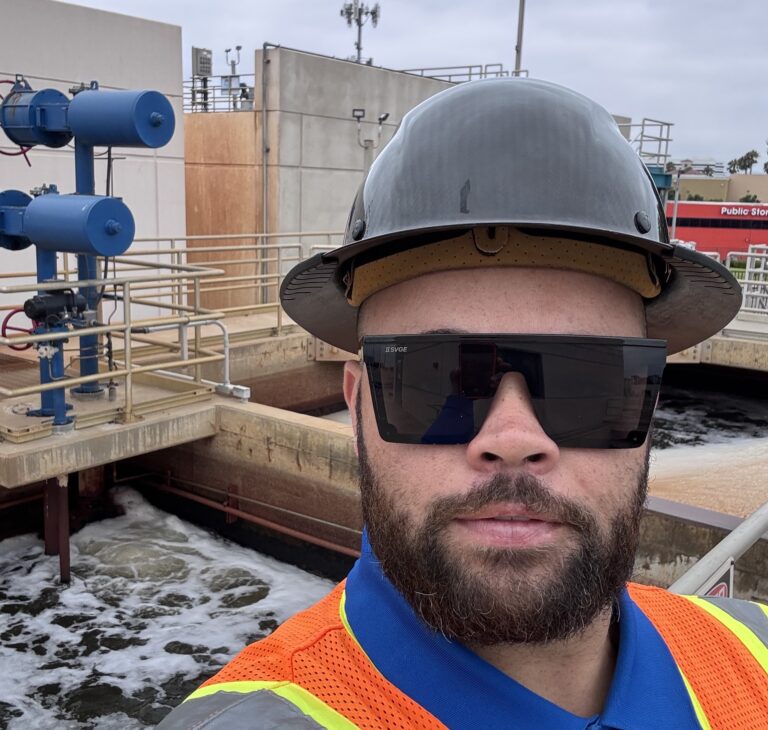
With nearly 40 million people relying on California’s water system — and a $59 billion agriculture sector depending on it — the demand for skilled water professionals is rising fast. In the Inland Empire, aging infrastructure, regional growth, and a wave of retirements are fueling job growth in water distribution, treatment, and wastewater systems. That’s where Inland colleges are stepping in.
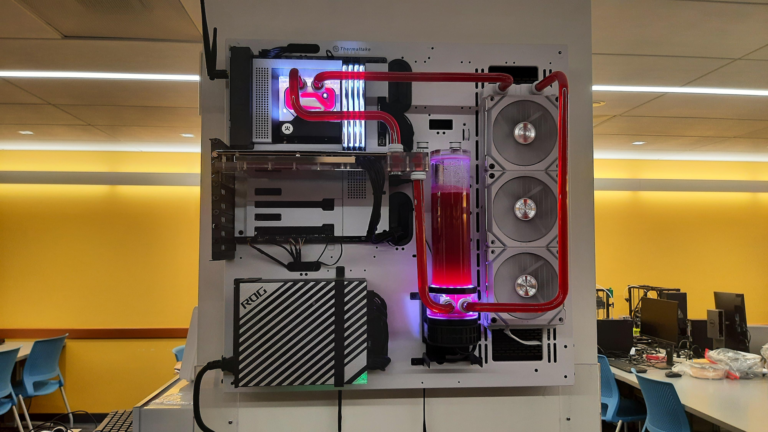
Artificial Intelligence (AI), cybersecurity, and cloud computing are driving the hot employment sector of information technology. The Computer Information Systems (CIS) department at College of the Desert (COD) is doing what it can to stay ahead of the curve.
If experience really is the best teacher, then adults returning to school after years of working deserve some credit. This is where Credit for Prior Learning (CPL) comes in, awarding credit for college-level skills and knowledge gained outside the classroom.
If experience really is the best teacher, then adults returning to school after years of working deserve some credit. This is where Credit for Prior Learning (CPL) comes in, awarding credit for college-level skills and knowledge gained outside the classroom. These programs are growing in Riverside/San Bernardino counties and statewide as colleges discover surprising benefits and impact.
Propelled by the expansion of local airports and increased air travel, aviation fields are in high demand in Riverside and San Bernardino counties. Rising to meet this demand, the Aeronautics department at San Bernardino Valley College (SBVC) is expanding with a number of new and exciting programs.
Dual Enrollment has been called one of the hottest trends in education today. But taking college classes while still in high school doesn’t just save students time and money, it also benefits employers and community colleges.
Norco College’s Game Development program prepares students for the growing video game industry, offering hands-on experience in Art, Design, Programming, and Production. Students gain technical and professional skills, with opportunities for networking and real-world projects. The program provides pathways to careers and further education, with facilities being upgraded for cutting-edge technologies like VR and motion capture.
Enrollment in courses not offering credit toward a degree or certificate are outpacing for-credit programs in some states (Fed Communities). And it’s no wonder.